Follow Me On Social Media!

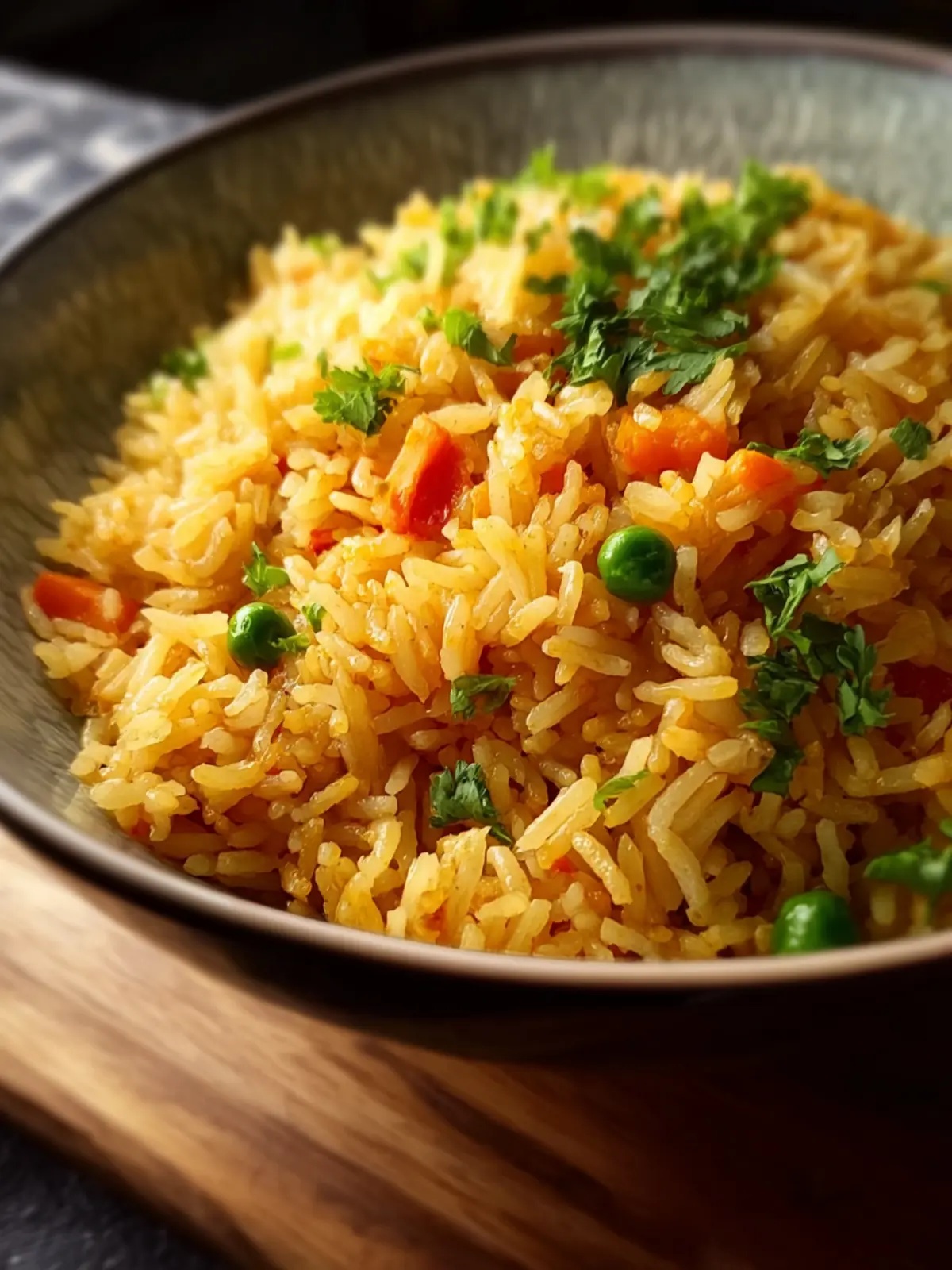
Rice Pilaf Bliss: Easy, Flavor-Packed Comfort in Every Bite

Introduction to Rice Pilaf
There’s something incredibly inviting about a steaming pot of rice pilaf simmering on the stove. This beloved dish has a way of transforming simple ingredients into a flavorful meal that brings people together. Originating from various culinary traditions, rice pilaf is versatile and can be infused with diverse flavors, making it a favorite for those with busy lives who want to enjoy a home-cooked meal without spending hours in the kitchen.
Many young professionals find themselves juggling hectic work schedules and social commitments, often leaving little time for elaborate cooking. Enter rice pilaf—a dish that not only delivers on flavor but also on practicality. With its straightforward preparation, rice pilaf is both an impressive side dish for entertaining and a reliable anchor for a weeknight meal. Imagine having a fluffy, aromatic bowl of rice pilaf alongside perfectly cooked chicken or roasted vegetables; it’s comfort food at its best.
Why Rice Pilaf is Ideal for Young Professionals
Rice pilaf stands out as the go-to dish for several reasons:
-
Quick and Simple Preparation: With minimal ingredients and straightforward cooking steps, you can whip up a delicious rice pilaf in 30 minutes or less. Perfect for those nights when you’re short on time but still want a satisfying meal.
-
Versatility: One of the best features of rice pilaf is its adaptability. You can easily customize it by adding seasonal vegetables, herbs, or proteins. Whether you want a light lemon and herb version or a hearty mushroom pilaf, the possibilities are endless.
-
Meal Prep-Friendly: Rice pilaf stores well in the fridge and can be reheated for lunches or quick dinners throughout the week. It’s a fantastic staple for meal prep enthusiasts looking to maintain a balanced diet.
-
Affordable Ingredients: Often made with pantry staples like rice, broth, and spices, rice pilaf is budget-friendly. You can create a gourmet experience without breaking the bank.
In a world where convenience often trumps tradition, rice pilaf shines brightly as a quick, delicious, and versatile option for those looking to enjoy quality meals without the hassle. So whether you’re hosting friends or simply treating yourself to a cozy dinner, rice pilaf is sure to elevate your culinary experience.
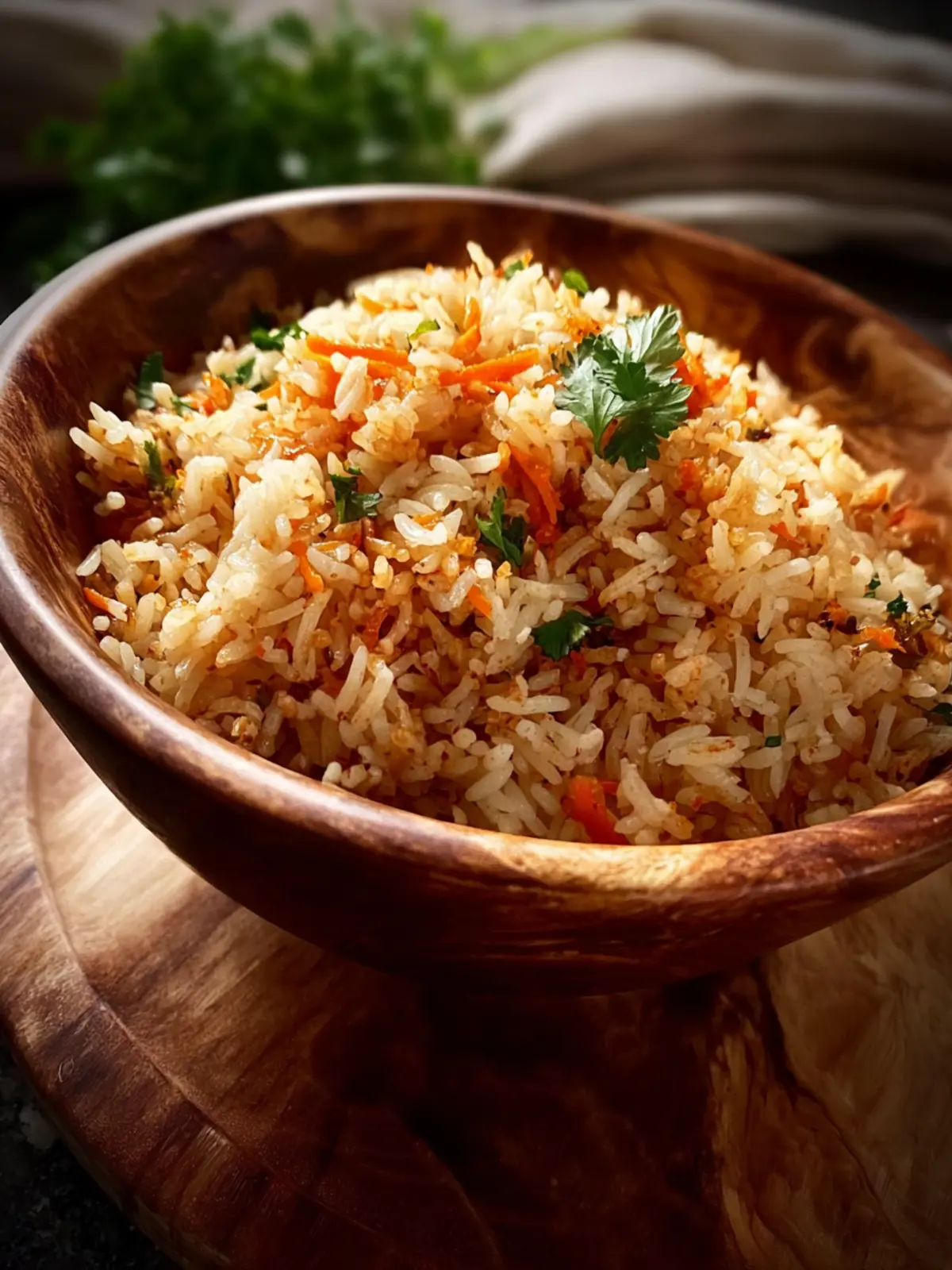
Key Ingredients for Rice Pilaf
For a truly delightful rice pilaf, the ingredients you choose can elevate your dish from ordinary to extraordinary, making it a comforting companion to any meal.
-
Rice: The star of this dish is undoubtedly the rice. Long-grain varieties, like basmati or jasmine, are ideal because they remain fluffy and separate when cooked, creating the perfect base for our pilaf.
-
Broth: Using chicken or vegetable broth adds depth and flavor to the rice. It infuses the grains with a savory richness that water just can’t compete with. Always opt for low-sodium options if you’re watching your salt intake.
-
Onion and Garlic: Sautéing diced onions and minced garlic before adding the rice gives the pilaf a fragrant foundation. They release their natural sweetness as they cook, enhancing the overall flavor profile.
-
Butter or Oil: For a luscious richness, incorporating butter or olive oil during the cooking process is essential. It helps coat the rice and contributes to a delightful texture.
-
Nuts and Dried Fruits: For added texture and taste, nuts like almonds or pine nuts, along with dried fruits such as raisins or cranberries, can be included. They introduce an element of surprise and a hint of sweetness that balances the dish beautifully.
Embracing these key ingredients will help you craft a rice pilaf that’s not just a side dish, but a memorable centerpiece.
Why You’ll Love This Rice Pilaf
Rice pilaf is more than just a versatile side dish; it’s a delightful blend of textures and flavors that elevates any meal. Imagine sitting down to a beautiful plate filled with fluffy rice, perfectly sautéed onions, and a hint of aromatic spices that tickle your senses. This unique dish has a way of transforming ordinary ingredients into an extraordinary experience, making it a staple in homes across the globe.
One of the reasons you’ll fall in love with this rice pilaf recipe is its adaptability. Whether you’re having a cozy dinner at home or hosting friends for a festive gathering, rice pilaf seamlessly fits into any occasion. It pairs beautifully with grilled meats, roasted vegetables, or even as a standalone dish, adding a comforting touch to every bite.
Not to mention, it’s incredibly simple to prepare! With minimal prep and cooking time, you can whip up a flavorful rice pilaf without breaking a sweat. Plus, the ingredients are easy to find and often already in your pantry. You’ll love how this dish invites creativity; you can experiment with different spices, veggies, or even nuts to make it your own.
Once you try this rice pilaf, you’ll understand why it’s a tried-and-true favorite—each bite invites comfort, warmth, and a delightful crunch.
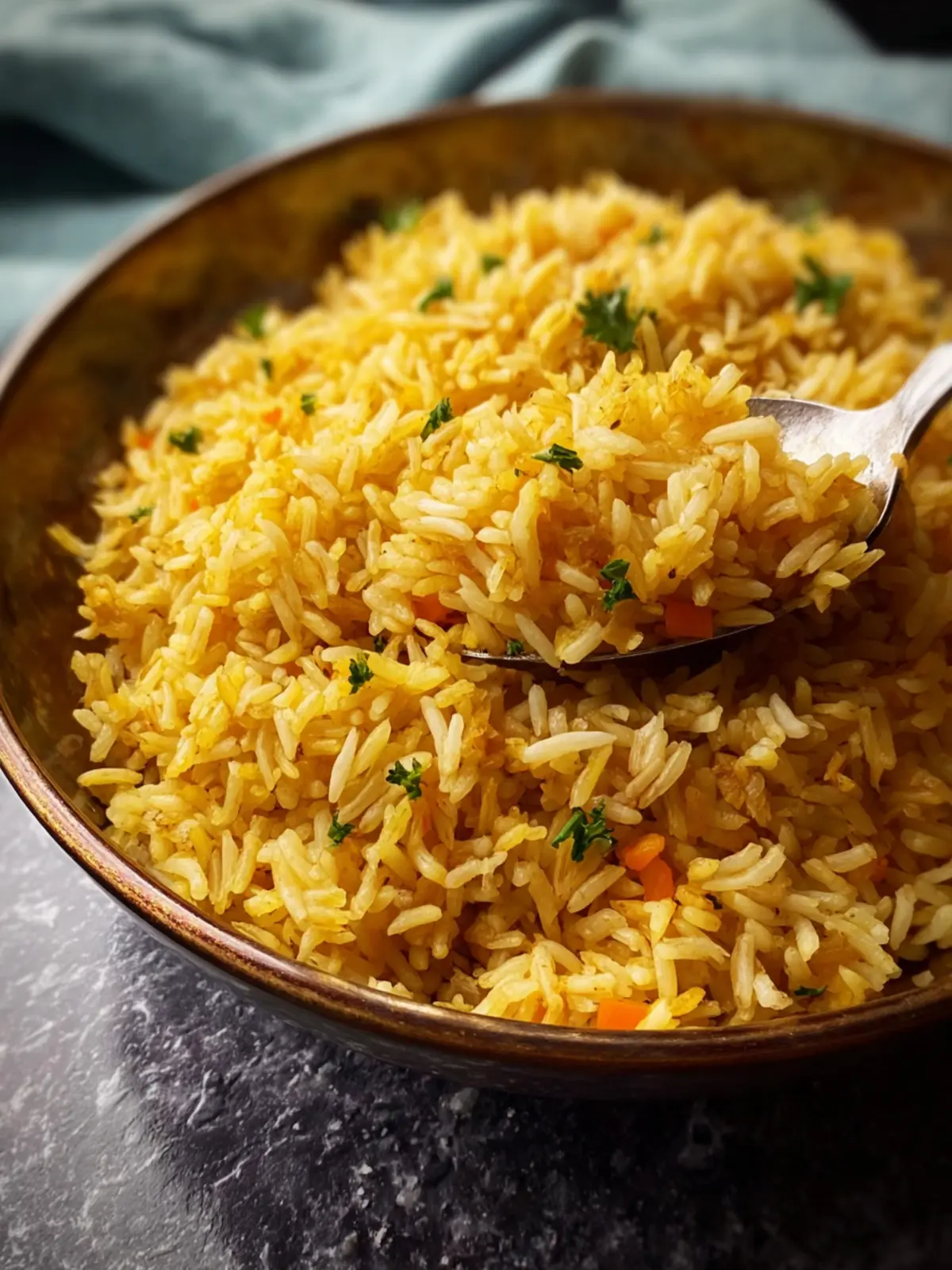
Cooking Tips and Notes for Rice Pilaf
Elevating your rice pilaf game is easier than you think! This dish is all about layers of flavor and perfect texture, so let’s explore some insights that will make your pilaf truly shine.
Selecting the Right Rice
Opt for long-grain rice, like Basmati or Jasmine. These varieties provide that perfect fluffy texture and distinct grains, enhancing the visual appeal of your dish. I always rinse the rice to remove excess starch — this helps to keep the grains separate while cooking, avoiding that sticky mess.
Sautéing for Flavor
Don’t skip the step of sautéing your aromatics! Whether you’re using onions, garlic, or spices, taking the time to sauté them in butter or olive oil first develops a rich foundation of flavor. This is a little trick I learned that transforms a basic rice pilaf into something extraordinary.
Broth vs. Water
Using broth instead of plain water can significantly enhance the depth of flavor in your pilaf. Homemade broth is ideal, but store-bought can work just as well. If you’re short on time, a quick stock cube dissolved in water is a convenient alternative.
Resting Time
Allow your finished rice pilaf to rest for about five minutes after cooking. This resting time allows the flavors to meld and the rice to finish absorbing any remaining moisture, resulting in a beautifully tender dish.
By incorporating these tips, your rice pilaf can become a standout addition to any meal. Enjoy the process, and happy cooking!
Serving Suggestions for Rice Pilaf
The magic of rice pilaf lies in its versatility, making it a delightful companion to a variety of dishes. Imagine feeling the warmth of a cozy dinner as you serve this flavorful side, elevating your meal to new heights.
Pair with Proteins
- Chicken or Turkey: A perfectly roasted chicken or grilled turkey breast complements the nutty flavors of pilaf beautifully. The savory notes create a satisfying harmony.
- Seafood: Lightly seasoned salmon or shrimp can balance the richness of rice pilaf, adding a fresh yet indulgent touch.
Vegetarian Options
- Grilled Vegetables: Toss together seasonal grilled veggies like zucchini, bell peppers, and asparagus. Their smoky sweetness adds a delightful contrast to the rice.
- Chickpeas or Lentils: For a filling vegetarian meal, serve rice pilaf with spiced chickpeas or lentils. This turns your meal into a nutritious powerhouse.
Festive Touches
- Garnishes: A sprinkle of fresh herbs like cilantro or parsley can enhance the presentation and flavor. Consider adding some toasted nuts for a delightful crunch.
Embrace the potential of rice pilaf to transform an ordinary meal into an extraordinary experience!
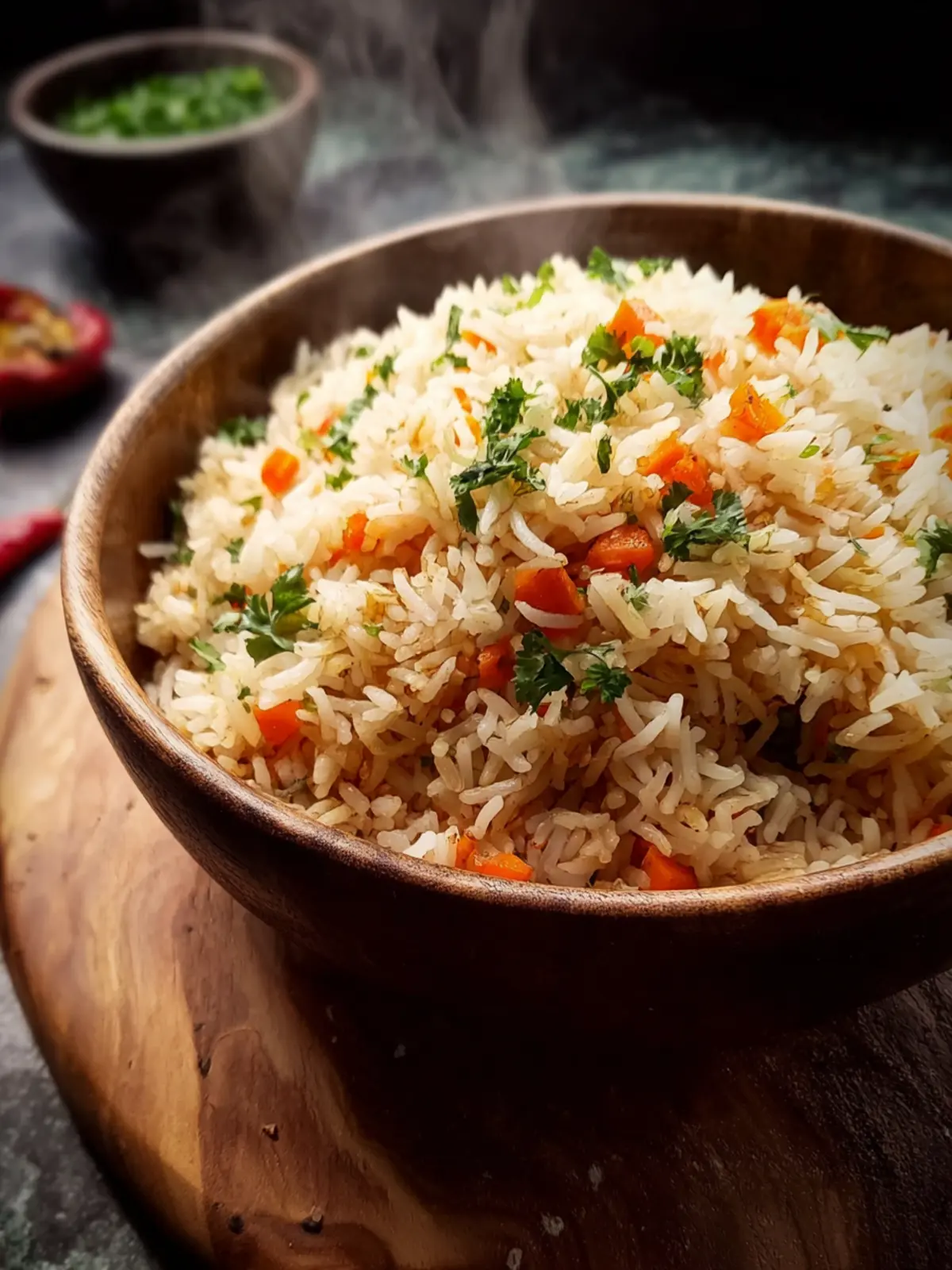
Time Breakdown for Rice Pilaf
Creating a delightful rice pilaf doesn’t have to be a race against the clock; instead, think of it as an enjoyable culinary experience. With careful timing, you can savor every moment of preparation and cooking.
Preparation time
Getting ready to cook is always an exciting part. For rice pilaf, set aside about 10 minutes. This time allows you to gather all your ingredients, chop your vegetables, and measure out the spices—ensuring a smooth workflow in the kitchen.
Cooking time
Cooking your rice pilaf will take around 20 minutes. This is when the magic truly happens, as the rice absorbs the flavorful broth and the sautéed ingredients meld together, transforming into a comforting dish.
Total time
In just about 30 minutes, your delicious rice pilaf will be ready to serve. Perfect for busy weeknights or a cozy gathering with friends, this timing makes it easy to fit this dish into your schedule without feeling rushed. Enjoy the process!
Nutritional Facts for Rice Pilaf
Understanding the nutritional facts for rice pilaf can help you appreciate not just its flavor, but also its health benefits. This dish can easily complement many meals or stand alone as a nutritious option.
Calories
A typical serving of rice pilaf contains approximately 200 calories. This makes it a light yet fulfilling choice that can fit into various dietary plans.
Protein
When it comes to protein, rice pilaf offers around 4 grams per serving. While it’s not a protein powerhouse, pairing it with a source of protein can create a well-rounded meal.
Sodium
Rice pilaf can vary in sodium content depending on how it’s prepared. A standard serving may have about 350 mg of sodium. To keep it heart-healthy, consider using low-sodium broth or seasoning to control the saltiness.
Knowing these nutritional facts can help you enjoy your rice pilaf even more, whether you’re planning a dinner for friends or a quick weeknight meal.
FAQs about Rice Pilaf
Rice pilaf, a delightful dish known for its fluffy grains and aromatic flavors, has captured hearts and stomachs around the world. Whether you’re making it for a cozy dinner or as a side for a festive gathering, there are always questions to enhance your culinary adventure. Here are some of the most frequently asked questions about rice pilaf.
Can I use different types of rice?
Absolutely! While traditional rice pilaf often calls for long-grain white rice, you can experiment with various types. Brown rice adds a nutty flavor and a chewy texture, while basmati rice introduces an aromatic flair. Even jasmine rice can bring a fragrant quality to the dish. Just remember to adjust your cooking times and liquid ratios accordingly, as different rice types absorb water differently.
What can I add for extra protein?
Looking to boost the nutritional value of your rice pilaf? Consider adding:
- Chicken or Turkey: Cooked and diced meat works wonderfully for a hearty meal.
- Shrimp or Fish: These add a light, coastal flavor that pairs well with the rice.
- Chickpeas or Lentils: Perfect for a vegetarian option, they provide both protein and fiber.
- Tofu or Tempeh: These are excellent for a plant-based protein source, easily absorbing the flavors of the pilaf.
How do I store leftover Rice Pilaf?
Storing leftover rice pilaf is straightforward. Allow it to cool to room temperature, then transfer it to an airtight container. It can be refrigerated for up to 4 days. For longer storage, consider freezing it; just make sure to use freezer-safe containers. When reheating, adding a splash of broth or water can help restore its moisture and flavor. Enjoy your pilaf again as if it were freshly made!
With these insights, your rice pilaf experience can be even more delicious and fulfilling. Happy cooking!
Conclusion on Rice Pilaf
In the world of rice pilaf, many flavors and textures can come together to create a satisfying dish that complements any meal. After exploring various ingredients and techniques, you’ll find that this dish is as versatile as it is delicious. Whether you opt for a classic preparation with aromatic spices or add your unique twists such as herbs and vegetables, the possibilities are endless.
Embrace the art of making rice pilaf and enjoy a comforting dish that nourishes both body and soul. Remember, cooking is all about experimenting and infusing your personality into the dishes you create. So gather your favorite ingredients, let your creativity flow, and savor the delightful journey of making this flavorful rice dish!
Print
Vegetable Rice Pilaf
- Total Time: 30 minutes
- Yield: 4 servings 1x
- Diet: Vegetarian
Description
A simple and flavorful vegetable rice pilaf made with long-grain rice and broth, perfect as a side dish.
Ingredients
Scale
- 1 cup long-grain rice
- 2 cups chicken or vegetable broth
- 1 onion, finely chopped
- 2 tablespoons butter (Can substitute with olive oil for a healthier option.)
- to taste Salt
- to taste Pepper
- Optional: peas, carrots, or other vegetables (Add for extra flavor and color.)
Instructions
- In a large saucepan, melt the butter over medium heat.
- Add the finely chopped onion and sauté for about 3-5 minutes until it becomes translucent and fragrant.
- Stir in the long-grain rice, mixing well with the onion and butter. Let it sauté for an additional 2 minutes.
- Pour in the chicken or vegetable broth, and add salt and pepper to taste. Bring the mixture to a gentle boil.
- Once boiling, reduce the heat to low, cover the saucepan, and let it simmer for about 15-20 minutes.
- After the allotted time, check to see if the rice has absorbed all the liquid. If it has, fluff the rice with a fork to separate the grains.
- If not, cover and cook for a few more minutes.
- If you’re adding peas, carrots, or other vegetables, fold them into the pilaf gently and let them heat through for about 2-3 minutes before serving.
Notes
- This pilaf is versatile; feel free to add your favorite vegetables for extra color and taste.
- For a healthier version, substitute butter with olive oil.
- Prep Time: 10 minutes
- Cook Time: 20 minutes
- Category: Side Dish
- Method: Stovetop
- Cuisine: Mediterranean
Nutrition
- Serving Size: 1 cup
- Calories: 250
- Sugar: 1g
- Sodium: 400mg
- Fat: 10g
- Saturated Fat: 5g
- Unsaturated Fat: 3g
- Trans Fat: 0g
- Carbohydrates: 35g
- Fiber: 2g
- Protein: 4g
- Cholesterol: 15mg