
Follow Me On Social Media!


Homemade Fougasse: The Best Chewy Bread You’ll Ever Make

Introduction to Homemade Fougasse
Imagine standing in your kitchen, the comforting aroma of freshly baked bread filling the air. That experience can be yours with homemade fougasse, a delightful flatbread that hails from the heart of Provence, France. This easy-to-make bread is not only a feast for the senses but also a canvas for creativity, allowing you to explore different flavors, toppings, and fillings as you craft your perfect loaf.
What makes homemade fougasse so special? For starters, it’s the versatility of the dough itself. Unlike traditional breads, fougasse is typically flavored with herbs, olives, or cheese, making it a wonderful accompaniment to any meal or a tasty snack on its own. The light, airy texture and crispy crust will transport you to a sun-soaked terrace in the French countryside with each bite.
The Joy of Personalization
One of the most exciting aspects of baking homemade fougasse is how customizable it is. You can experiment with various ingredients, from different types of olives to herbs like rosemary or thyme, allowing you to create a version that suits your palate. This not only makes the baking process more enjoyable but also results in a bread that feels uniquely yours—a great talking point when you serve it to friends or family.
Baking at Home
Baking homemade fougasse requires minimal ingredients, all of which are likely already in your pantry. With flour, water, salt, and yeast as your foundation, the magic truly happens with the addition of your favorite mix-ins. Just think of the satisfaction you’ll feel, knowing you created something beautifully rustic and utterly delicious from scratch.
Besides, making fougasse can be a great way to unwind after a long day. Kneading the dough can be therapeutic, and the reward of pulling a steaming loaf out of the oven is unmatched. Whether you’re having a cozy night in or hosting a dinner party, your homemade fougasse will undoubtedly be a hit.
As we dive into the recipe, prepare yourself to embark on a flavorful adventure that embraces the heart of French cuisine. Let’s get started!
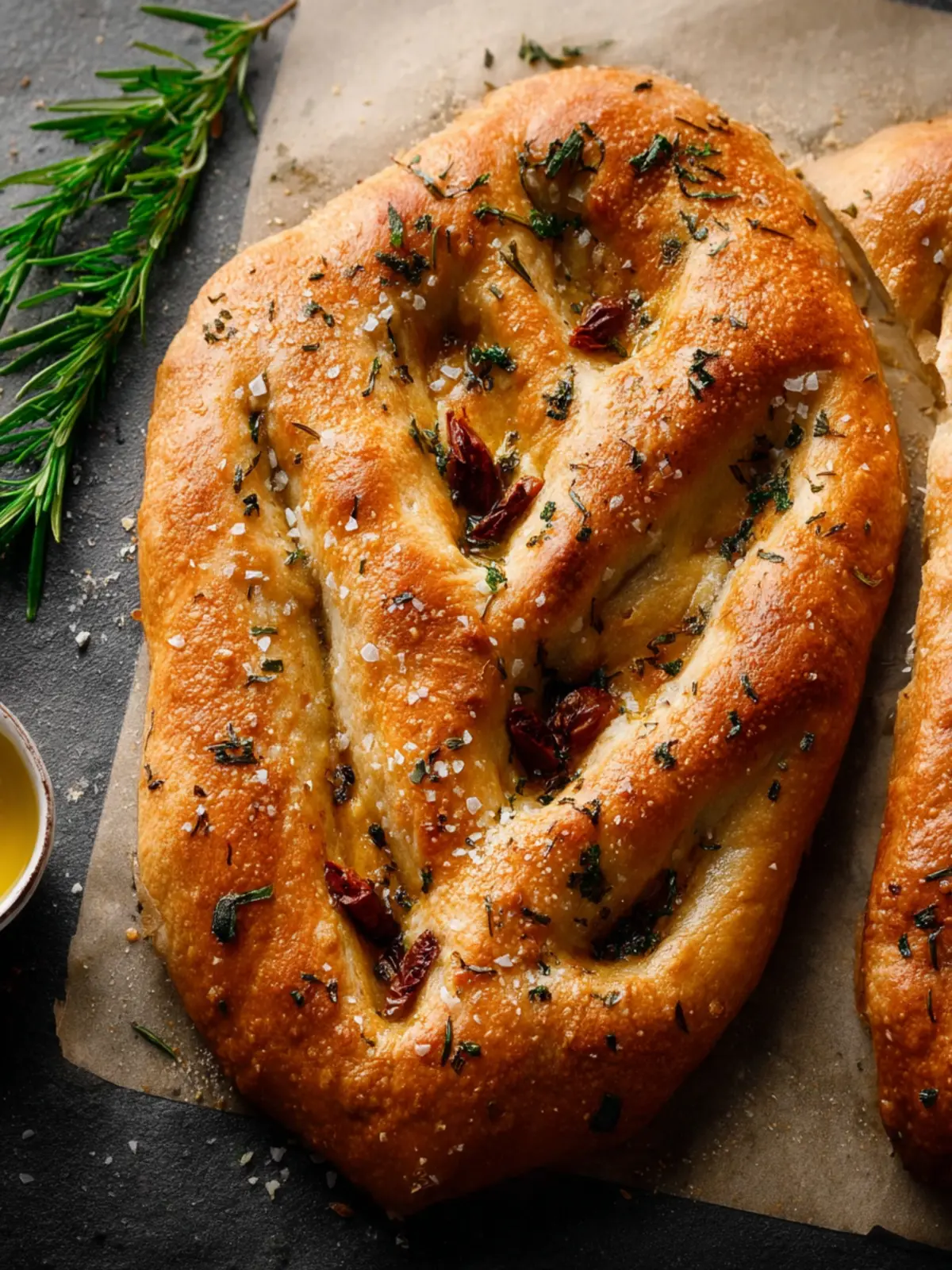
Key Ingredients for Homemade Fougasse
Making homemade fougasse is a delightful journey that transforms your kitchen into a warm, aromatic haven. The simple yet impactful ingredients come together to create this beautiful and crusty bread, perfect for sharing with friends or enjoying solo.
-
Flour: I prefer using all-purpose flour for a balanced texture that allows the fougasse to rise beautifully. For a bit of added flavor, consider using bread flour, which brings a wonderful chewiness.
-
Yeast: Active dry yeast is my go-to. It’s reliable and helps generate that signature airy texture. Make sure to activate it in warm water before mixing it with your flour for the best results.
-
Olive Oil: A generous splash of extra virgin olive oil not only adds richness to the dough, but it also enhances the flavor profile. Drizzle some on top before baking to create a crispy crust!
-
Salt: A must for seasoning, salt brings out all the flavors and balances the richness of the olive oil.
-
Water: Warm water is essential for activating the yeast and hydrating the flour, making the dough easier to work with.
By using these key ingredients, your homemade fougasse will have the perfect texture and flavor, making it a standout at any table. Happy baking!
Why You’ll Love This Recipe
There’s something truly magical about homemade fougasse. Imagine the aroma of freshly baked bread warming your home, creating an inviting atmosphere that beckons loved ones to gather around the table. This rustic French flatbread is more than just a side; it’s an experience, perfect for sharing and enjoyed for any occasion.
-
Versatility: Whether you serve it with a salad, as a starter with olive oil for dipping, or piled high with your favorite toppings, fougasse is incredibly versatile. You can customize it with herbs, olives, or even cheeses, ensuring there’s a version that everyone’s taste buds will adore.
-
Simplicity: The ingredients list is straightforward—flour, yeast, and a touch of olive oil join forces to create something truly special. Unlike complicated pastry, this bread invites even the novice baker to dive in with confidence.
-
Community Connection: Making homemade fougasse can be a delightful social activity. Gather friends for a baking session, share stories while waiting for the dough to rise, and relish the joy of pulling freshly baked loaves from the oven together.
Next time you’re yearning for something comforting yet uncomplicated, let this homemade fougasse recipe take center stage at your table!

Variations on Traditional Fougasse
Exploring homemade fougasse opens a world of delightful options that elevate this rustic bread beyond its traditional roots. Fougasse is like blank canvas, inviting you to add your unique touch while still honoring its Mediterranean charm.
Savory Infusions
Why limit yourself to just olive oil and herbs? Try adding ingredients like:
- Sun-Dried Tomatoes: These bring a burst of sweetness and umami.
- Olives: Chopped Kalamata or green olives can add a briny depth.
- Cheeses: Feta or goat cheese can melt beautifully into the dough during baking, offering a rich flavor contrast.
Sweet Twists
If you want to experiment with sweetness, consider:
- Honey and Rosemary: A delightful pairing, drizzle honey on top after baking and sprinkle with fresh rosemary for a fragrant finish.
- Cinnamon Sugar: Before baking, give your dough a sprinkle of cinnamon sugar for a sweet crust reminiscent of dessert breads.
Seasonal Variations
Don’t overlook seasonal produce. In the fall, mix in:
- Pumpkin Puree: For a subtly sweet and earthy flavor.
- Dried Cranberries and Nuts: Offering a festive touch.
Each ingredient not only enhances the flavor profile but also personalizes your homemade fougasse, making it a true reflection of your culinary adventure. So, what will you create next?
Cooking Tips and Notes for Homemade Fougasse
Creating the perfect homemade fougasse is more than just following a recipe; it’s about giving your bread a little love and patience. This French flatbread is a delightful addition to any meal, and with the right tips, you’ll impress your friends and family.
Kneading Technique
Kneading is essential for building gluten, which ensures a chewy and airy texture. Spend at least 8–10 minutes kneading the dough until it’s smooth and elastic. Not sure if you’ve done it long enough? Use the “windowpane test”—stretch a small piece of dough; if it holds together without tearing, you’re good to go!
Resting Period
Don’t rush the dough! Let it rest for at least 1 hour, allowing time for fermentation. This not only enhances the flavor but also makes the dough easier to shape. A longer rise can develop a richer taste.
Flavor Mix-ins
Feel free to get creative with your homemade fougasse. Adding olives, herbs, or roasted garlic can elevate your bread’s taste. Just remember to balance these additions with the base ingredients to keep the dough manageable.
Baking Temperature
A hot oven is crucial. Preheat your oven to 450°F (230°C) to achieve that beautifully crispy exterior. Consider using a baking stone or cast-iron skillet, as they retain heat and help create a bakery-quality crust.
With these tips, your journey into making homemade fougasse will be both rewarding and delicious! Happy baking!
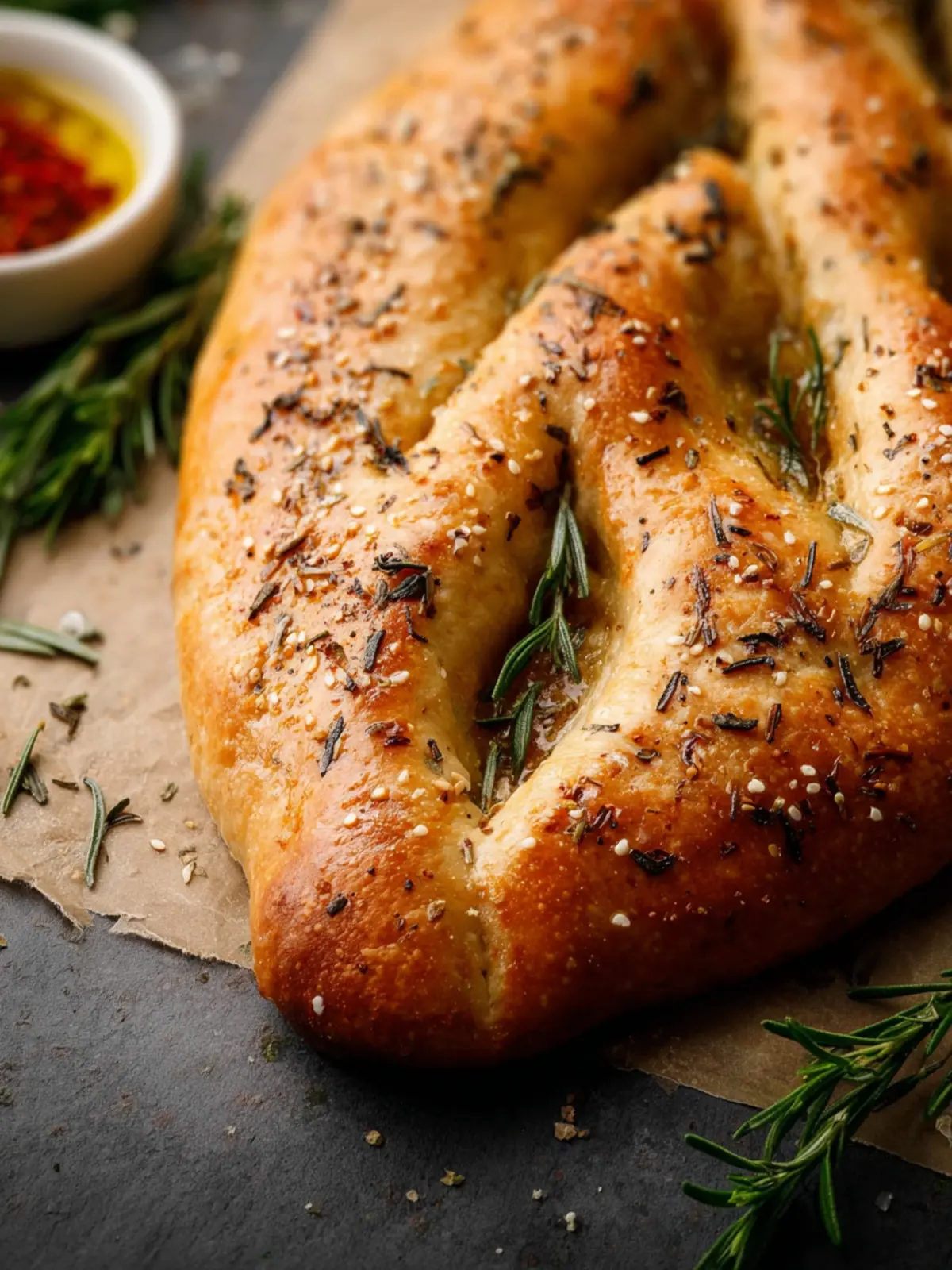
Serving Suggestions for Homemade Fougasse
When it comes to serving homemade fougasse, think of it as the star of the show, inviting a medley of flavors and textures to the table. This rustic bread isn’t just a side; it’s a versatile canvas that can enhance any meal or occasion.
Pairing with Savory Dips
Consider serving warm slices of homemade fougasse alongside your favorite dips. The bread’s lovely, chewy texture complements:
- Olive tapenade: The salty richness enhances the herb flavors of the bread.
- Roasted garlic hummus: Its creaminess contrasts delightfully with the crusty exterior.
- Pesto: The vibrant herby notes make for a fresh pairing.
Accompaniment for Meals
A slice of homemade fougasse is the perfect sidekick to salads or soups. Imagine enjoying it with:
- Tomato basil soup: The bread is excellent for soaking up that delicious broth.
- Classic Caesar salad: The flavors mingle beautifully on your plate.
Creating a Charcuterie Board
For an elegant gathering, slice your homemade fougasse into wedges and include it on a charcuterie board. Use it to balance out:
- Cheeses: Soft cheeses like brie or sharp cheddar.
- Cured meats: Salami or prosciutto for an extra flavor kick.
Enjoying with Wine
Finally, don’t forget to pair your homemade fougasse with a lovely glass of wine, whether it’s a crisp white like Sauvignon Blanc or a light red like Pinot Noir, both complementing the bread’s fresh herbs perfectly.
Every bite of homemade fougasse opens up a world of flavor possibilities, making your culinary experience rich and delightful!
Time Breakdown for Homemade Fougasse
Preparation time
Creating homemade fougasse starts with about 15 minutes of preparation. During this time, you’ll mix your ingredients together, including flour, water, yeast, and salt, forming the perfect dough.
Resting time
After preparation, allow the dough to rest for about 1 hour. This resting period is crucial as it encourages the yeast to work its magic, resulting in a beautifully airy texture.
Baking time
Once the dough has risen, it’s time to bake! Your fougasse will need approximately 20 minutes in the oven, transforming into a golden-brown delight.
Total time
In total, you’re looking at around 1 hour and 35 minutes from start to finish. It’s a small investment for a delightfully fragrant and delicious bread that will impress anyone fortunate enough to share it with you!
Nutritional Facts for Homemade Fougasse
Exploring the world of homemade fougasse is not only a delightful culinary experience but also a journey into understanding its nutritional profile. When you indulge in this rustic bread, it’s essential to know what you’re savoring.
Calories
A standard slice of homemade fougasse contains approximately 180 calories, making it a satisfying accompaniment to meals without overwhelming your daily intake.
Carbohydrates
With around 36 grams of carbohydrates per slice, homemade fougasse provides a hearty source of energy, making it perfect for a post-workout snack or a long day at work.
Protein
Each slice packs about 6 grams of protein, offering a decent boost to your daily nutrition. While it’s not a complete protein source, pairing it with a protein-rich topping like cheese or hummus can enhance its benefits.
Enjoy the blend of textures and flavors while being mindful of your nutritional goals!
FAQs About Homemade Fougasse
When creating homemade fougasse, it’s only natural to have questions. This rustic French bread is not only delicious but also a fun baking project. Let’s address some common queries that you might have as you embark on this flavorful journey!
Can I use all-purpose flour instead of bread flour?
Absolutely! While bread flour gives homemade fougasse a chewier texture and a better rise due to its higher protein content, all-purpose flour works perfectly too. If you choose to go with all-purpose flour, you might notice a slightly different texture, but your fougasse will still be delicious. Just keep an eye on the hydration of your dough, as all-purpose flour may absorb water differently.
How can I make the fougasse more flavorful?
To elevate the flavor of your homemade fougasse, consider incorporating various mix-ins and toppings:
- Herbs: Fresh rosemary, thyme, or even parsley can add a fresh, aromatic touch.
- Cheese: Crumbled feta or grated Parmesan adds a savory note.
- Olives: Chopped olives provide a briny, rich flavor.
- Sun-dried tomatoes: These bring a hint of sweetness and depth to the dough.
Experimenting with flavors is half the fun, so don’t hesitate to get creative!
What’s the best way to store leftover fougasse?
If you find yourself with leftovers (which might be rare!), store your homemade fougasse in an airtight container at room temperature for up to 2-3 days. For longer storage, wrapping it tightly in plastic wrap and then placing it in a freezer bag will keep it fresh for up to a month. To enjoy it later, simply thaw and reheat in the oven for that freshly-baked taste again!
Conclusion on Homemade Fougasse
Creating homemade fougasse can be a delightful journey in the kitchen, turning simple ingredients into a flavorful and beautiful bread. The perfect crispy crust and soft, airy interior make it a fantastic accompaniment to any meal or a standout snack on its own.
Don’t hesitate to experiment with different toppings and flavors—olive oil, herbs, or even cheese can elevate your fougasse to the next level. Sharing the aroma of fresh bread with friends or family will surely create lasting memories. So, roll up your sleeves, and let your homemade fougasse become a staple in your culinary repertoire!
Print
Fougasse
- Total Time: 50 minutes
- Yield: 4 servings 1x
- Diet: Vegetarian
Description
A traditional French bread, perfect for serving warm with dipping oil or alongside meals.
Ingredients
Scale
- 1 cup (130g) bread flour, spooned & leveled
- 1/8 teaspoon instant or active-dry yeast
- 1/2 cup (120g/ml) room-temperature water (about 70°F (21°C))
- 1 and 1/2 cups (195g) bread flour, spooned & leveled, plus more as needed
- 1/2 cup (65g) whole wheat flour, spooned & leveled
- 3/4 teaspoon instant or active-dry yeast
- 1 teaspoon table salt
- 1/2 cup (120g/ml) room-temperature water
- 2 Tablespoons (28g) extra-virgin olive oil, plus more as needed
- optional, for topping: flaky sea salt and herbs, such as rosemary, thyme, or Herbes de Provence
Instructions
- In a medium bowl, whisk together the bread flour and yeast. Add the water and mix with a silicone spatula until combined. Cover the bowl tightly with plastic wrap and the dough should remain slightly tacky.
- Drizzle or brush a little olive oil around the inside of the mixing bowl you were using. Place the ball of dough in the bowl, turning it to coat all sides of the dough in the oil.
- Cover tightly and let the dough rest for 45 minutes, and up to 2 hours. (See make-ahead instructions if you want to extend this time.)
- Visualize a clock on top of your dough. You’ll be folding it at the 12 o’clock mark. With an olive oil-greased spatula or lightly oiled hands, lift up the dough at 12 o’clock and gently stretch it up and pull it toward the opposite side of the bowl (6 o’clock), folding it down over the dough. Turn the bowl 90 degrees and repeat. Do this until you’ve gone around the bowl once, for a total of 4 folds. Flip the dough over so it’s seam side down.
- Cover tightly and let the dough rest for 45 minutes, and up to 2 hours.
- Turn the dough out onto a piece of parchment paper and use your fingers to press it into a rounded triangle or egg shape, (roughly) 12 inches long by 6 inches wide at the base.
- Cover lightly and let rest for 30 minutes, and up to 2 hours.
- Using a sharp knife, pizza wheel, or kitchen shears, cut the dough lengthwise down the center, stopping about 1 inch from each end. Then make 3 or 4 diagonal cuts on each side of the center cut. To create a leaf-like appearance, use your fingers to gently stretch out each cut until the holes are about 2 inches wide.
- Cover lightly and let rest for 30 minutes, and up to 1 hour. Meanwhile, preheat the oven to 450°F (232°C). If you have a baking stone, preheat it on the center rack. Otherwise, place a large flat baking sheet, or a rimmed baking sheet upside down, on the center rack to preheat.
- Brush the fougasse with olive oil, and sprinkle with herbs and/or sea salt, if using. Carefully slide the fougasse, along with the parchment paper, onto the preheated baking stone or baking sheet.
- Bake the fougasse until golden brown, about 20 minutes. If you give the top of the bread a tap, it should sound hollow. For a more accurate test, the bread is done when an instant-read thermometer reads the internal temperature as 190–200°F (88–93°C).
- If desired, brush the warm bread with more olive oil. Serve warm with dipping oil and balsamic vinegar, alongside soup or salad, or as part of a cheese board.
- Fougasse is best the day it’s baked. Store leftovers covered at room temperature for up to 2 days. If desired, reheat in a 350°F (177°C) oven, uncovered, for 5–8 minutes to crisp back up.
Notes
- For added flavor, experiment with various herbs as toppings.
- The dough can be made ahead and chilled. Just allow extra time for it to rise.
- This bread pairs well with cheese or charcuterie boards.
- Prep Time: 30 minutes
- Cook Time: 20 minutes
- Category: Bread
- Method: Baking
- Cuisine: French
Nutrition
- Serving Size: 1 piece
- Calories: 220
- Sugar: 0.5g
- Sodium: 300mg
- Fat: 5g
- Saturated Fat: 0.5g
- Unsaturated Fat: 4g
- Trans Fat: 0g
- Carbohydrates: 38g
- Fiber: 2g
- Protein: 7g
- Cholesterol: 0mg